
BMS Platform
Battery Management System (BMS) Platform
A configurable battery management system platform delivered as an integration-ready package—protection strategy, diagnostics/event logs, versioned CAN/UART interfaces, validation evidence, and production handoff artifacts for e-mobility and energy storage programs.
- Protection strategy definition: thresholds, delays, recovery logic, and fail-safe behavior (program-defined)
- Diagnostics package: SOC/SOH signals, temperatures, current, fault codes, and event logs for service tooling
- Versioned interface mapping: CAN/UART message list, scaling rules, and documentation (plus wiring/pinout as needed)
- Validation evidence package: test plan, pass/fail summary, issue log, and closure workflow
- Production handoff: release artifacts, QA gates, and traceability fields (program-defined)
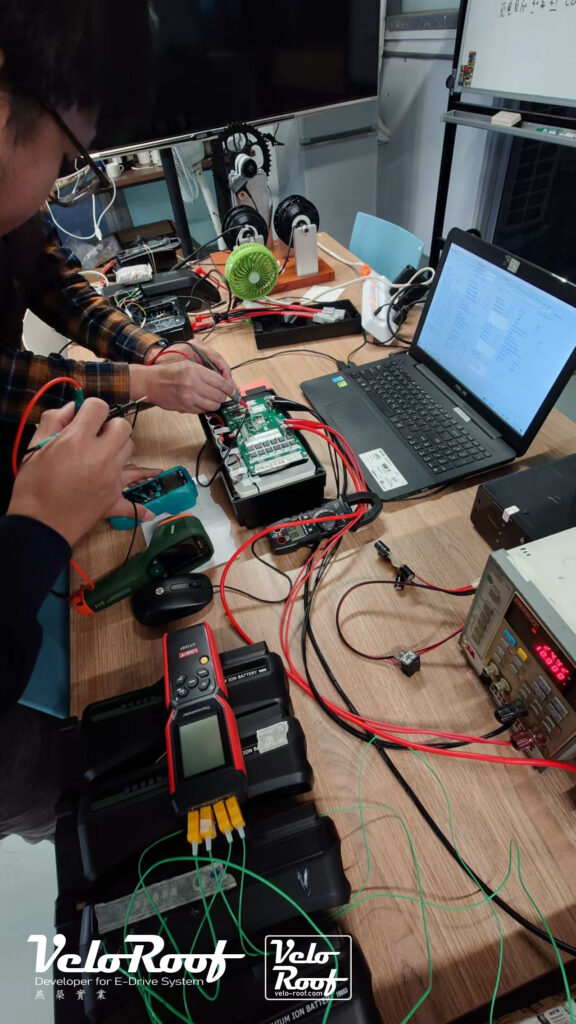
Where this platform is used
This BMS platform supports multiple program profiles. We tailor safety strategy, diagnostics, interfaces, and validation evidence to application-specific duty cycles and compliance scopes.
Core deliverables
We don’t sell adjectives. We deliver artifacts that enable integration, verification, and production readiness.
- Protection behavior definition: limits, thresholds, delays, recovery logic, and fault handling (program-defined)
- Diagnostics & event logging: fault codes, event log strategy, service signals, and monitoring visibility
- CAN/UART interface mapping: message list, scaling, versioning rules, and documentation (plus wiring/pinout as needed)
- Validation evidence: test plan + pass/fail summary + issue log + closure tracking
- Release & handoff artifacts: QA gates, release package checklist, traceability fields (program-defined)
Integration workflow
- Define program profile: duty cycle, environment, compliance scope, and success KPIs
- Responsibility matrix: who owns limits and derating (BMS vs pack vs controller/system)
- Lock interfaces: CAN/UART mapping, pinout, and version-controlled documentation
- Validate protections & diagnostics under target profiles and edge cases
- Freeze release artifacts and production handoff checklist
What changes by application
The platform is consistent; the program definition is not. Below is what typically changes across application domains.
| Dimension | E-mobility (E-bike/LEV) | Energy storage (UPS/ESS/BBU) |
| Duty cycle | Dynamic load, frequent transients | Standby + discharge events / long-duration profiles |
| Primary risk | Ride stability + thermal margin + field service | Safety containment + operational reliability + monitoring |
| Diagnostics focus | Service tools + event logs for field issues | Operator visibility + incident traceability + monitoring integration |
| Validation evidence | Ride/thermal/performance loops | Readiness under target profiles + safety behavior evidence |
Typical KPIs
- Protection behavior determinism under stress conditions (program-defined)
- Fault detection coverage vs false positive rate (program-defined)
- Diagnostic completeness for service tools / monitoring stacks
- Interoperability stability with controller/system interfaces (CAN/UART)
- Production readiness: release artifacts and traceability field completeness
Request a program-specific proposal
Share your application profile, duty cycle definition, and success criteria. We’ll respond with a structured proposal outline and next-step questions.
To provide an accurate proposal, we may request baseline pack configuration and duty cycle definition. We deliver integration-ready documentation and validation evidence; certification execution depends on program plan and lab partner.